


TUNES.
Music from the pipes and drums breathe a sense of passion and pride to those who hear it. From funerals, to competitions or stage performances with the likes of the Raleigh Symphony Orchestra, the Chieftains or the Piano Guys — we strive to balance the requirements of our performances with the skill level of our players.
Here is our current repertoire (rev 08.11.2026):
Massed Bands.
Green Hills of Tyrol and When the Battle's O'er
Scotland the Brave and Rowan Tree
High Road to Gairloch and Brown Haired Maiden
Band Music.
Amazing Grace
Aros Park
Balmoral
Bob Cooper of Winnipeg and Diamond Anniversary March
Cullen Bay
Dream Valley of Glendural
From Maui to Kona
Leaving Port Askaig and Onaping Falls Centennial Pipe Band
Shenandoah and Wee Buns
March Medley.
Pipe Major Robert Martin
Dawning of the Day
Sruleen Park
Lincoln Hilton Police Week Suite.
TBA
G3.
Bob Cooper of Winnipeg and Diamond Anniversary March
Jean Maucline, Leaving Port Askaig
Lochanside
Winnipeg Forger and Chasing Shadows
Mini-Set
Short Coated Mary
Hornpipe TBD
Jig TBD
MSR 1
The Conundrum
Marquis of Huntley’s Highland Fling
Alick C. MacGregor
Medley
TBA
TUNE HISTORY.
Some history behind #TunesWePlay
THE ROWAN TREE
The name "rowan" is derived from the Old Norse name for the tree, raun. Linguists believe that the Norse name is ultimately derived from a proto-Germanic word *raudnian meaning "getting red" and which referred to the red foliage and red berries in the autumn. According to the Celtic tradition the ROWAN TREE would provide protection against evil spirits. To have one at home would bring good luck and to cut it would bring unhappiness - which explains its relative proliferation in Scotland. The origin of the melody is unknown but the lyrics are from 1822 and were written by Carolina Oliphant, also known as Lady Nairne. The Rowan Tree was also a favorite tune of Pipe Major Dave McKee Sr of Chicago's Stock Yard Kilty Band.
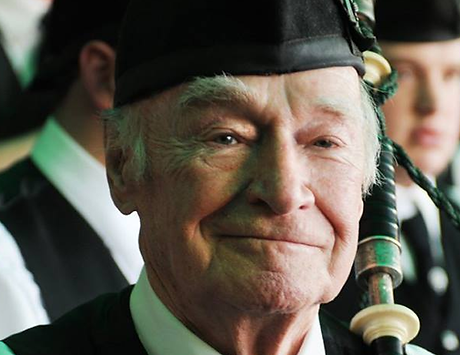
BALMORAL
The tune Balmoral was written by Sir Robert Bruce of the Gordon Highlanders. As a Scottish solider fighting in World War 2, Robert Bruce was captured during the Battle of Singapore in Malaysia along with many fellow soldiers. The Battle ended on April 9, 1942, when British Lieutenant-General Arthur Ernest Percival surrendered to Japanese General Masaharu Homma; by this point 130,000 soldiers became Prisoners of War. What followed was one of the worst atrocities in modern wartime history—In October 1942, the Japanese began to move POWs up to Thailand to build the Thai-Burma Railway which was their strategic solution to get supplies to their forces fighting the British in Burma. Learn more here.
